

Repairing French Doors
French doors are a popular feature in period homes. However, they could develop problems with time. The issues could be anything from minor to serious and may cause damage if they are not addressed in a timely manner.
If you know what to check it's simple to fix a lot of these issues. Here are some helpful tips for repairing French doors:
Locks that aren't aligned
It isn't always easy to open or close a door when the lock is misaligned. It can also cause the door to be left open and your property vulnerable. The issue of the door lock not aligning properly could be caused by hinges which need to be adjusted, structural settlement or improper installation. There are a variety of simple solutions you can attempt at home to fix this issue.
First, identify the reason for why the latch isn't connecting to the hole in the strike plate or in the door frame. You can do this by closing the door and then looking for a mark on the strike plate. This will help you determine the problem and fix it in the correct way.
If the latch contact is located above or below the strike plate hole, it's likely an indication of loose hinges or the frame of the door that requires shims. The loose hinges can cause the door to slide and cause the door not aligning properly. You can fix this by tightening the hinge screws and adjusting the hinges. Shims can be used to help support hinges and hold them in place.
A locked or stuck lock-cylinder that is seized is another common cause of misaligned doors. It could be due to dirt, debris or a worn key. In french door repair , lubricating the lock cylinder is the most effective solution. You can use graphite or silicone-based greases. If the lock cylinder is sticking, it's a good idea to contact an expert to avoid further damage or injury.
A seized latch could be a problem for French doors as it makes it impossible to close and open the door. This could be because of a poor alignment or warping of the door or frame as a result of climate changes. It could also be an indication of poor quality hardware. In most cases a seized latch can be resolved by repositioning the latch and lubricating with silicone spray. However, if the latch is worn out it might have to be replaced completely. A professional handyman can spot the problem and carry out the repair.
Leaks
If your French doors are built in accordance with the latest standards, they should not leak. However, if they leak, it's crucial to know where the problem is coming from so you can fix it.
There are several possible reasons why water can enter your door through the bottom. The most common is that the seal around the door's bottom isn't secure enough, allowing moisture to get in and cause damage over time. Another possibility is that there's a hole or crack in the door sill or frame. You'll need to repair or replace the sill.
If there is no barrier between your French doors and the wind, you could also suffer from leaks. Strong gusts of wind can easily weaken the seam, causing leaks that may damage floors and walls. You can prevent this by installing a screen an awning, or by adding a fence to create a windbreak.
The seals around the French doors may be damaged if they are not maintained or installed properly. In this case you'll have to reseal them using silicone caulking. This material is ideal for sealing around French doors because it offers the highest adhesion and flexibility and is also water-resistant.
It's also crucial to ensure that the drainage holes along the bottom of the uPVC French door are not blocked or clogged by debris. This will reduce heat transfer and air infiltration into your home, reducing the energy costs.
It's also a good idea to maintain their appearance and function, to regularly inspect your French doors and clean them with a mild cleaning agent. Regular maintenance can extend their lifespan and enhance their performance. These steps can help you avoid costly repairs and ensure that you enjoy your French doors for many years to come.
Warping
French doors are a great way to connect your indoor and outdoor areas while letting in plenty of sunlight. Like any door, French doors can be damaged over time through wear and tear or faulty installations. It is crucial to have your French doors fixed as soon as you can in the event of any issue.
If your French door locks aren't working, it's likely the lock has been damaged or stuck because of wear. You'll need remove the lock and dismantle the door to take a closer inspection of the mechanism.
Another common problem with French doors is that the latch gets stuck or doesn't close properly. This is usually due to the doors are misaligned or the hinges have become loose or because they weren't put in place correctly in the first place. To fix this you must open and shut the doors as much as possible to check whether the latch is functioning.
It's also possible that your doors aren't closing properly because the wood has expanded from moisture. You'll need to raise the width of the door frame to allow for hinges. This is a difficult job that should not be attempted without assistance from a professional.
It is crucial to get your French doors repaired as quickly as you notice any issues. This will ensure that they appear at their best and perform properly. With the proper care and maintenance, your French doors will last for many years.
Chameleon specializes in repairing and restoration of wooden windows, doors and other wooden elements on period or listed buildings. We can install new French doors to give your home an elegant and traditional look, or repair the existing ones. Contact us today if tired of your old French doors. We will provide you with a an estimate free of charge for your repairs, and the high-quality service that you deserve.
Wooden Parts
French doors are beautiful additions to any home particularly those with period homes. However, over time they are prone to weathering and damage. While this could cause minor issues however, it's simple to repair.
If your exterior French door isn't locking, it is possible that something is blocking the frame or there's an issue with the alignment of the latch and the door. In the first case you must take away any debris, dirt, or household items that are stuck between the frame and the door.
In the second instance you might need to adjust or tighten the hinges. You can do this by finding the lateral adjustment on a hinge (usually hidden behind plastic covers or small plugs) and then adjusting the hinge away from or towards the frame. It is also possible to lubricate the latch with silicone spray or oil, though this might not work over the long haul and may require replacement.
Sometimes, the wood of the French door frame may expand due to changes in humidity, which makes the door difficult to open and close. This can be fixed by sanding the edges of the frame to make them more pliable. Paint or sealant can be applied afterward.
Fog accumulation in between glass panes is a common problem with French doors. This can result in a loss of light and can reduce the energy efficiency of the doors. Fog can often be remedied by replacing the glass panes however, this isn't something that should be undertaken without assistance from a professional.
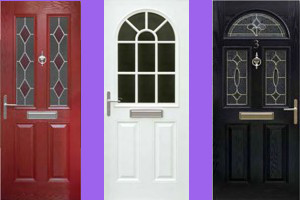
If the glass pane is cracked or broken it must be replaced immediately for safety reasons and to stop elements from outside getting into the house. The process of replacing glass on French doors is the same as sliding glass doors, but requires more precision and skill to do it correctly. Be sure to wear protective gloves and carefully remove the old glass from the window. measure the opening to ensure a correct fitting of the new glass cut and then install the new pane with care, and then put back in the parts of the glass and door hardware.